An air conditioner may run longer after cooking or using heat-producing appliances because those activities add heat to the home, increasing the amount of heat the cooling system must remove. Longer operation can be a normal response to temporary indoor heat gain, but persistent changes in cooling performance may indicate that AC service is needed.
For homeowners in Glendale, AZ, indoor heat sources can add to an air conditioner’s workload when outdoor temperatures are already high. Understanding the difference between a temporary increase in cooling demand and a developing system problem can help homeowners determine when professional attention may be appropriate.
How Does Cooking Increase the Workload on an AC?
Cooking can release a substantial amount of heat into the surrounding space. Ovens, stovetops, and other cooking appliances warm the kitchen, and that heat can gradually spread into adjacent rooms.
The air conditioner then has to remove this additional heat while also managing heat entering the home from outdoors.
Cooking can also add moisture to indoor air, depending on the food preparation method. Because an air conditioner contributes to both cooling and moisture removal, changing indoor conditions may affect how long the system needs to operate before the home reaches the thermostat setting.
Once cooking stops and indoor conditions stabilize, AC operation may gradually return to its usual pattern.
Which Household Appliances Can Add Heat Indoors?
The kitchen is not the only source of additional indoor heat. Several everyday appliances produce heat while operating.
Clothes dryers, dishwashers, computers, televisions, lighting, and other electrical devices can release heat into the home. The amount produced by an individual appliance may seem minor, but several appliances operating simultaneously can increase the overall cooling demand.
The number of people inside the home can also influence indoor conditions because people naturally produce body heat. A busy household preparing dinner, running appliances, and hosting several people may therefore place more demand on the cooling system than the same home under quieter conditions.
Is It Normal for an AC to Run Longer When Indoor Heat Increases?
It can be. Air conditioners respond to the temperature conditions inside the home rather than operating according to a fixed amount of time for every cycle.
If cooking raises the indoor temperature, the system may need to operate longer to remove that additional heat and reach the thermostat setting.
What matters is whether the AC eventually restores comfortable conditions and returns to its normal operating pattern.
A longer cycle that consistently occurs while cooking may be different from a system that suddenly runs much longer throughout the entire day. Changes that continue even after temporary heat sources are gone deserve closer attention.
Should You Lower the Thermostat While Cooking?
Setting the thermostat substantially lower does not make an air conditioner remove heat faster. It generally causes the system to continue operating as it attempts to reach the lower setting.
Maintaining a reasonable, consistent thermostat setting can help avoid unnecessary temperature swings.
Homeowners can also reduce unnecessary indoor heat by using kitchen ventilation appropriately and avoiding having multiple heat-producing appliances running at the same time when practical. These steps do not replace AC maintenance, but they can help limit avoidable cooling demand.
When Can Longer AC Cycles Point to a System Problem?
Longer operation becomes more concerning when it occurs without an obvious increase in indoor or outdoor heat.
For example, the system may continue running well after cooking has ended, struggle to reach the thermostat setting, produce air that feels less cool than usual, or show a noticeable change from its previous performance.
Several AC conditions can contribute to extended operation. Restricted airflow, dirty components, thermostat issues, refrigerant-related concerns, electrical problems, or component wear can all affect cooling performance.
When the reason is unclear, professional diagnosis is more useful than assuming a single component is responsible.
Homeowners researching AC repair Glendale, AZ in Glendale can review Arizona Accurate’s information about cooling system service, maintenance, and repair. They provide information about common air conditioning concerns and professional system evaluation.
How Can AC Maintenance Support Consistent Cooling?
Regular AC maintenance provides an opportunity to evaluate components that influence cooling performance.
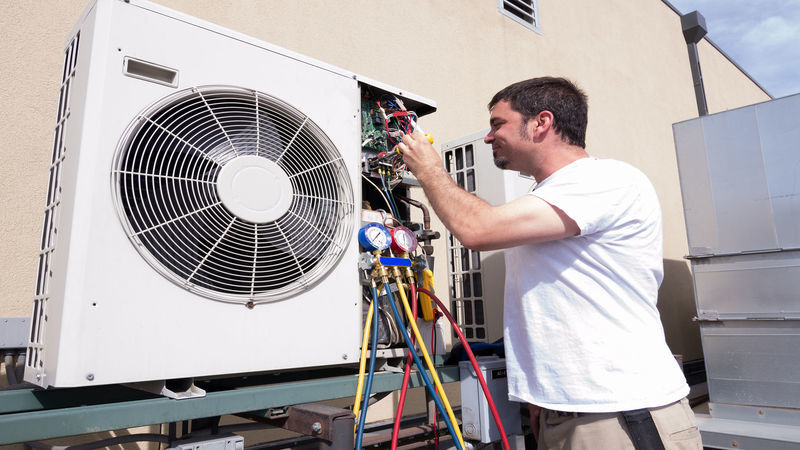
Tasks often performed during maintenance visits include checking refrigerant levels and pressures, inspecting electrical components and connections, testing thermostat functionality, cleaning coils as needed, inspecting motors and amperage, and cleaning the condensate drain.
Homeowners can also support normal operation between professional visits. Air filters should be replaced every month, while air vents and ducts should remain clean and unobstructed. The outdoor unit can be visually inspected for debris, plants, or dirt buildup.
These steps help support normal airflow and system operation, although they cannot prevent every future air conditioner repair.
How Can You Tell Whether the Problem Is the Appliance or the AC?
Timing can provide useful information.
If the air conditioner operates longer only while the oven, dryer, or other heat-producing appliances are being used and returns to its normal pattern afterward, the added indoor heat may explain the change.
If extended operation continues regardless of household activities, the cause may be related to the cooling system itself.
Homeowners should also consider whether the behavior is new. An AC that previously maintained comfortable temperatures under similar conditions but now struggles may benefit from professional service.
A technician can assess the system and determine whether maintenance, adjustment, repair, or part replacement if needed is appropriate.
When Should Professional AC Service Be Scheduled?
Consider AC service when longer cooling cycles become persistent, the home does not reach the thermostat setting, airflow changes, unusual sounds develop, or the system’s overall performance declines.
Cooking and household appliances naturally increase indoor heat, so some additional AC operation is expected. However, temporary heat sources should not be used to explain every decline in cooling performance.
For homeowners in Glendale, AZ, recognizing the pattern can help determine the next step. If the air conditioner continues running unusually long after heat-producing activities have ended, schedule a professional cooling system evaluation to identify what is affecting performance and whether maintenance or repair is needed.